




OUR STORY
The desire to craft a wine
the way one crafts a work of art.
From the École du Louvre to the vineyard
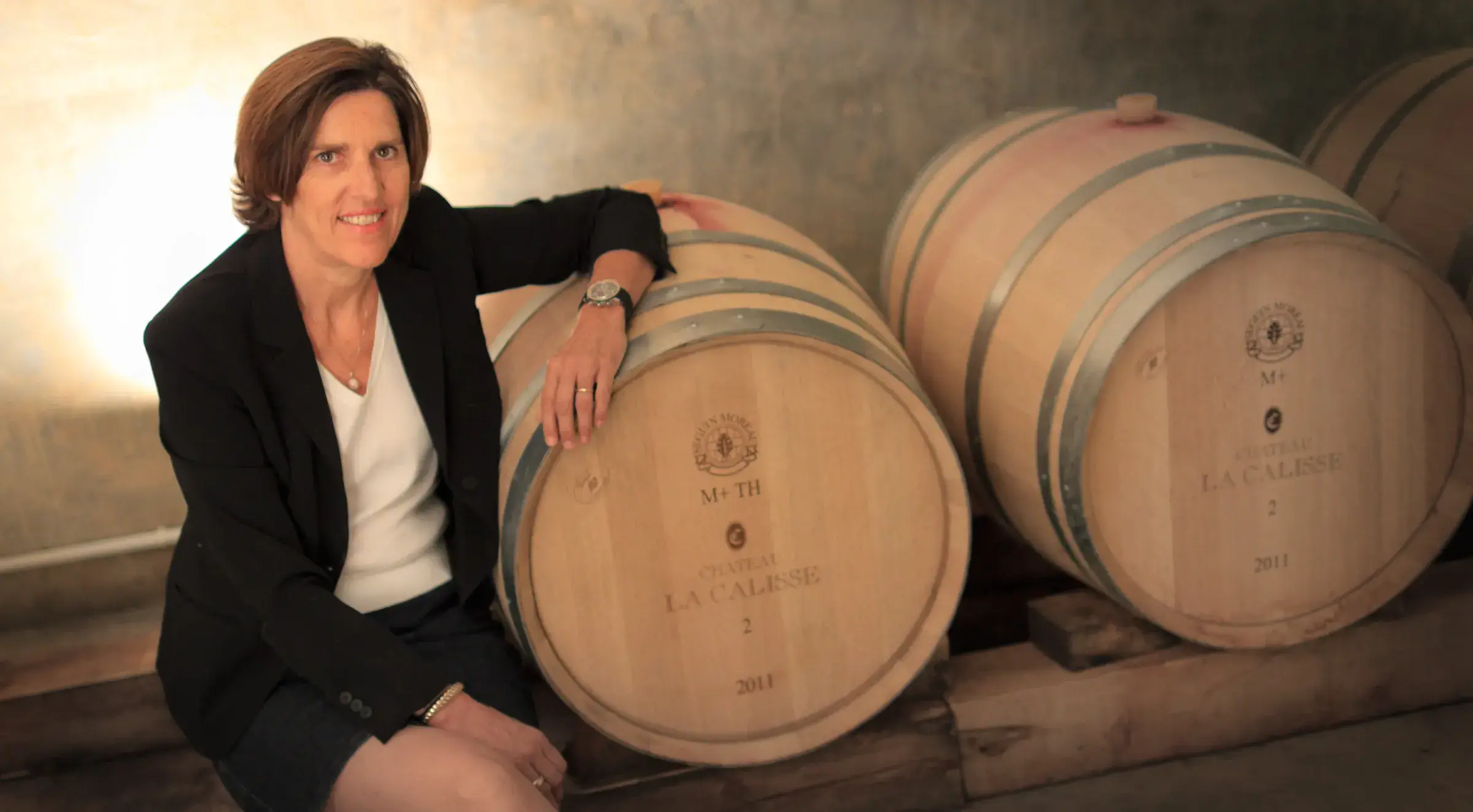
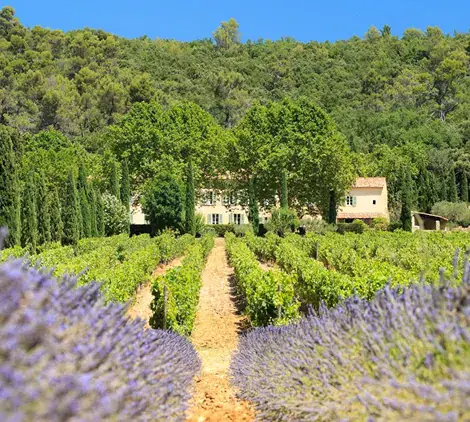
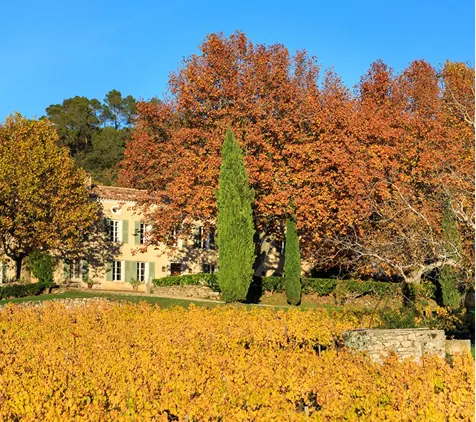
A philosopher by training and an art historian from the École du Louvre, Patricia Ortelli had never worked a vine when, in 1990, she came across an old magnanerie at Pontevès — a silk farm nestled 450 metres up in the Var hinterland.
The vineyard had to be rebuilt entirely — which is exactly what she chose to do. The estate once raised silkworms and grew almond trees whose nuts supplied the confectioners of Aix for their calissons. That is where the name comes from.


1990
The decision
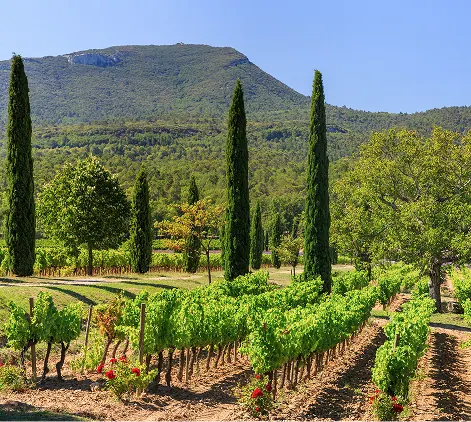
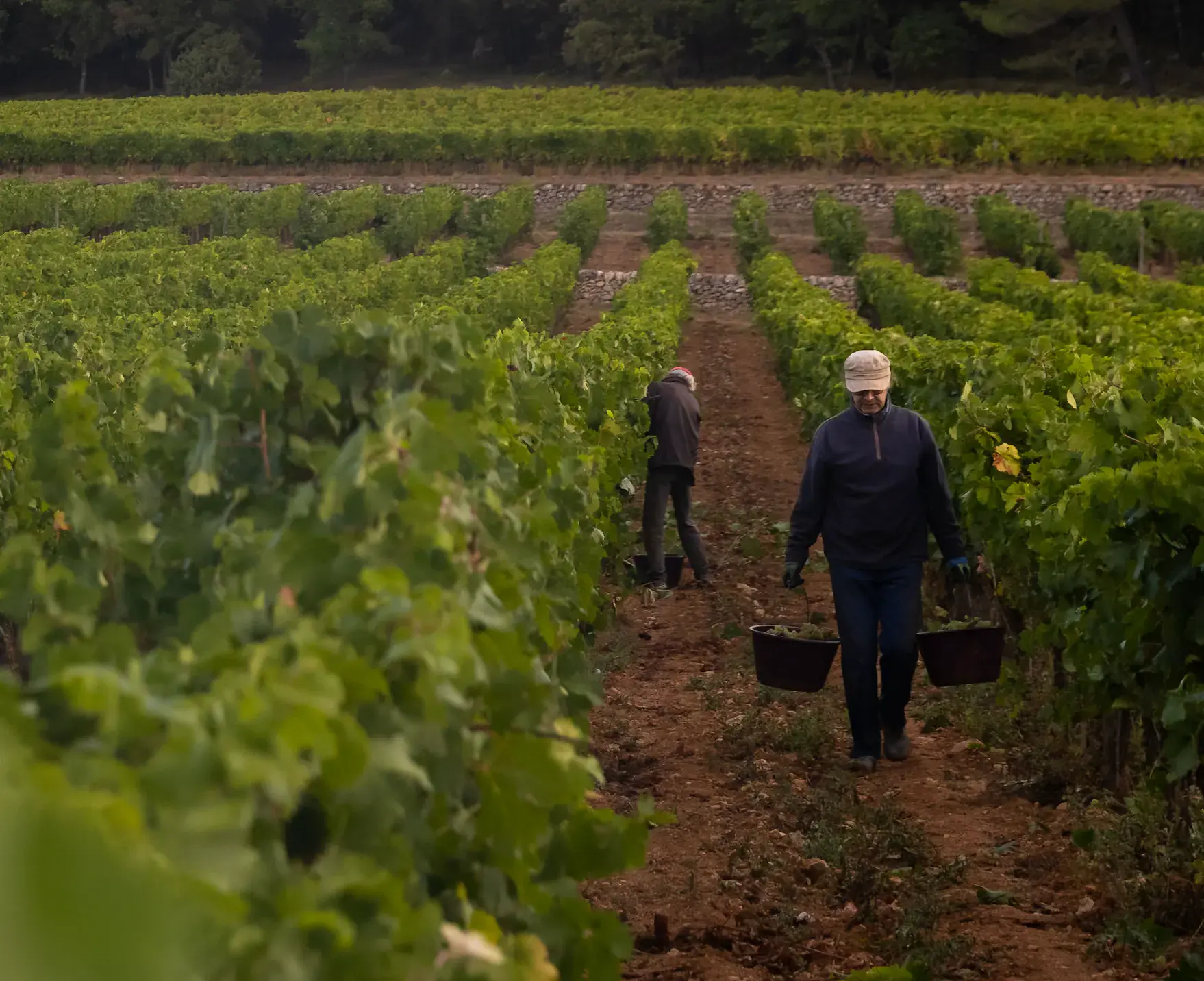
Patricia Ortelli buys the old silk farm at Pontevès and sets about rebuilding the estate from the ground up: drainage, levelling, and a complete replanting of the vines.
A restorer’s work, carried out with the same rigour she once applied to works of art.


The decision
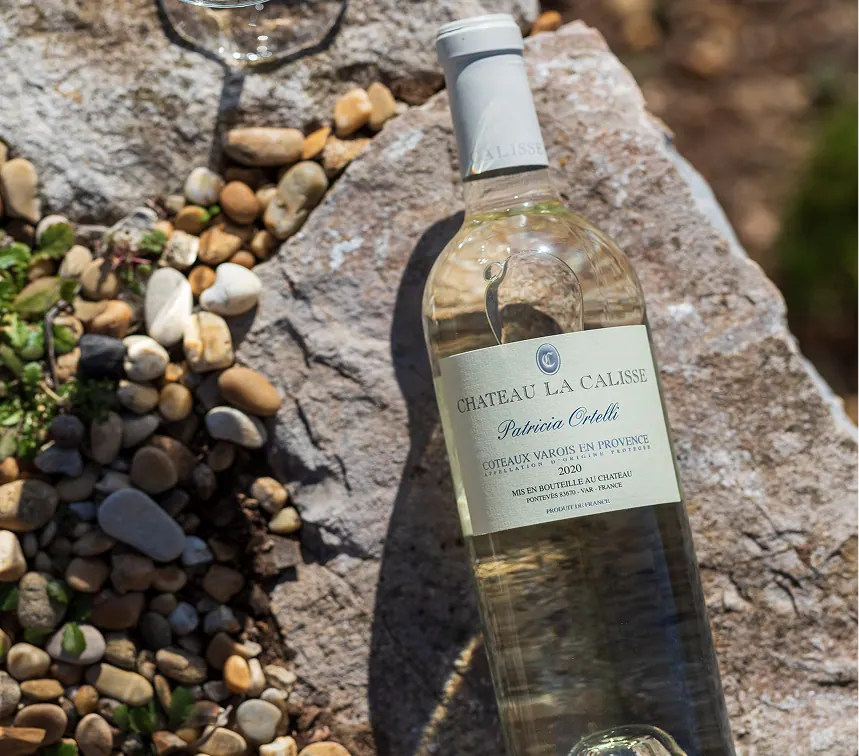
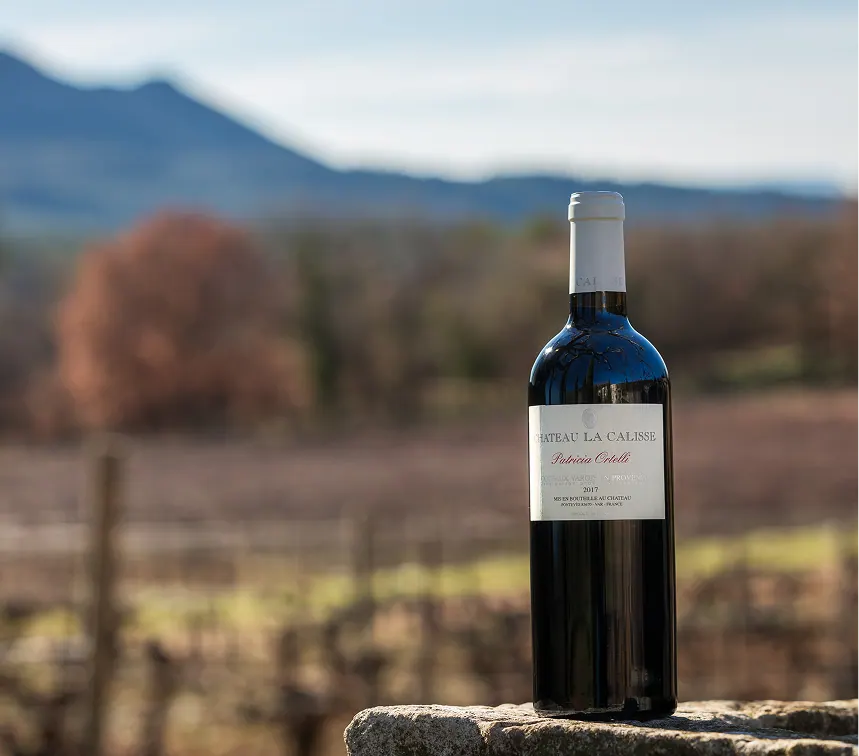
Patricia Ortelli buys the old silk farm at Pontevès and sets about rebuilding the estate from the ground up: drainage, levelling, and a complete replanting of the vines.
A restorer’s work, carried out with the same rigour she once applied to works of art.
The first vintage
Three years after the first plantings, the château makes its first wine. Patricia readily admits that this first attempt, made “all on her own”, did not go down in winemaking history.
What changed everything was sheer determination — and a vision of organic farming that few shared at the time.
Choosing organic
Patricia Ortelli obtains Ecocert organic certification — among the first in Provence.
Not a response to a trend, but a founding conviction, in keeping with her vision of a wine that speaks honestly of its place.
Recognition
The Guide Hachette, the national press, the first foreign reviews. The château draws an international following — Swiss and Danish customers among the first loyal ones.
People who come to Pontevès looking for something the coast cannot offer.
Growing the estate
Neighbouring vineyards join the estate, and a new cellar rises from the ground to support the expansion.
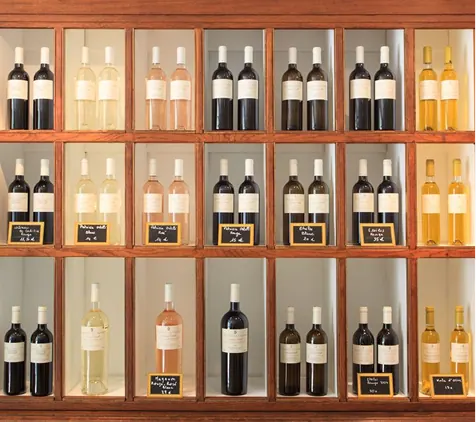
The balance stays the same: one third rosé, one third white, one third red — growing without losing focus.
One vineyard, two generations
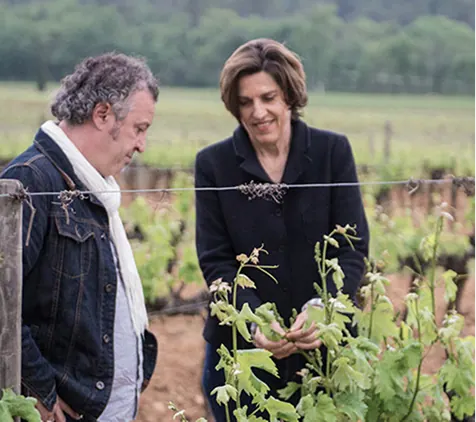
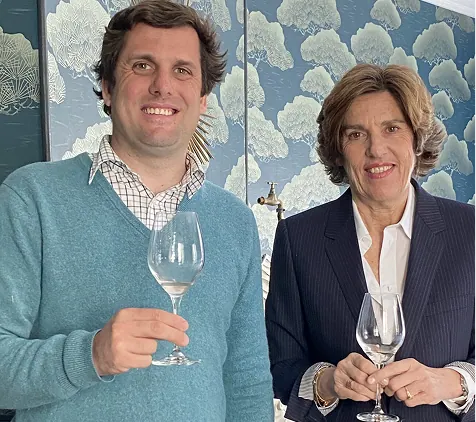
The estate has grown with the people who tend it. What was twelve hectares is now twenty-eight. What was a solitary project has become a shared one — with Étienne, her son — the same vines, the same convictions, one more generation to carry them forward.
Nothing that matters has changed. The goal is not to produce more — it is for more people to hear what this terroir has to say.